Team
Sub-Project Ancient Horticultural Knowledge
Prof. Dr. Christian Kassung
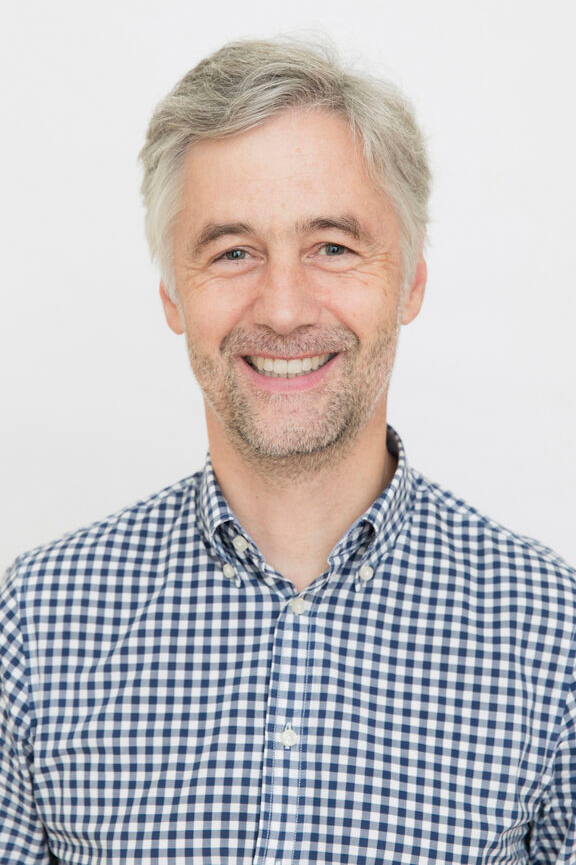 Christian Kassung has been Professor of Cultural Techniques and
History of Knowledge at Humboldt-Universität zu Berlin since 2006. After
reading German Studies and Physics in Aachen and Cologne, he completed his
Doctorate 1999 in German Literature at the Universität zu Köln with a
dissertation on Robert Musil's »›Der Mann ohne Eigenschaften‹ in the discourse
of modern physics«. In 2007, his professorial dissertation was on the pendulum
and its meaning for the history of knowledge. From 2018 to 2023, he headed the
Faculty of Humanities and Social Sciences as Dean. Furthermore, he is a member
of the »Center for Cultural Techniques« and the »Center for the Science of
Materials in Berlin«. He is Principal Investigator of the Cluster of Excellence
»Matters of Activity«. During the summer semester of 2023, he was Senior Fellow
at the DFG-Centre for Advanced Studies »Imaginaria of Force« at Universität
Hamburg.
His research focuses on the history of knowledge and the
cultural history of the natural sciences, the history and practice of technical
media, and non-hegemonic structures of knowledge. His most recent research
within the cluster includes the material culture and cultural techniques of
resilience.
Prof. Dr. Susanne Muth
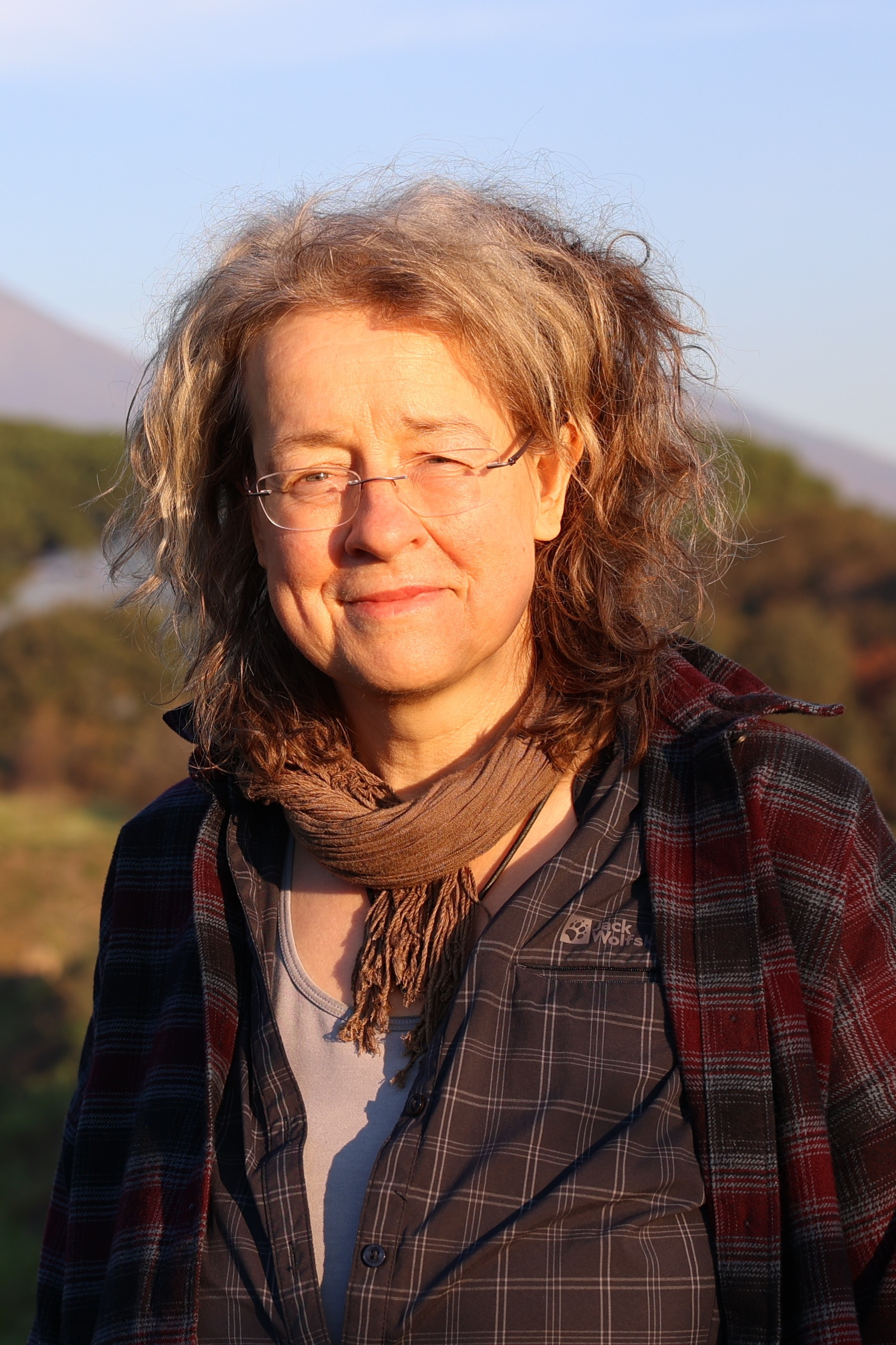 Susanne Muth has been Professor of Classical Archaeology at
Humboldt-Universität zu Berlin since 2008. After studying Classical
Archaeology, Ancient History and Latin in Mainz and Heidelberg, she was awarded
her doctorate in 1997 with a thesis on the mythological imagery of the Roman
house (»Erleben von Raum – Leben im Raum«, 1998). Following a travel
grant from the German Archaeological Institute in 1999–2000, she was a
research assistant at the Institute of Classical Archaeology at the University
of Munich from 2001 to 2007. There, she completed her habilitation in 2005 with
a thesis on the phenomenon of media-related violence in Athens in the 6th and
5th centuries BC (»Gewalt im Bild«, 2008). A fellowship at the
Wissenschaftskolleg zu Berlin from 2007 to 2008 brought her to Berlin, where
she subsequently accepted a post at Humboldt-Universität in 2008. Since then,
she has worked as a principal investigator (PI) in various Clusters of
Excellence and SFBs: »Topoi« (2009–2017), »Image, Knowledge, Design«
(2012–2017), and »Transformationen der Antike« (2008–2016). Within
the framework of these collaborative research initiatives, various projects on
digital reconstruction have emerged – for example, the digital model of
the Roman
Forum or the archaeology of acoustics at the Forum in Rome and the Agora in Athens (link 2). Since 2024,
she has been leading the »Pompeii reset« project, which aims to digitally document
and reconstruct various houses and buildings in Pompeii; this project is
supported by the POMONA project.
Her research focuses on the history of
the Roman city and Roman domestic culture, the archaeology of acoustics, the
visual world as a reflection of ancient lifestyles, and the study of ancient
living spaces using digital reconstruction and virtual simulation.
Alwin Cubasch M.A.
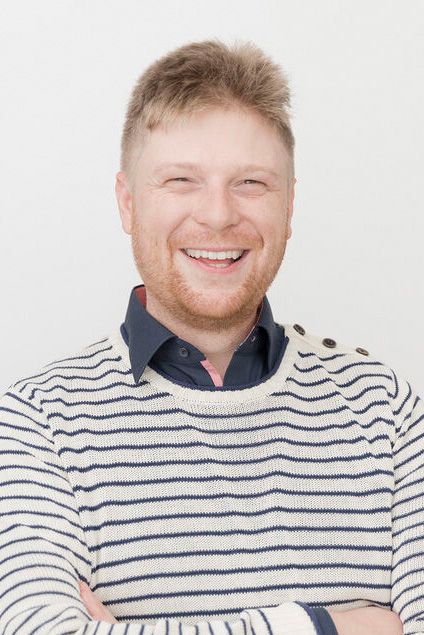 Alwin J. Cubasch is a historian of science and technology. He studied
cultural studies and philosophy at Humboldt-Universität zu Berlin and history
of science and technology at Technische Universität Berlin. He is completing
a PhD at the University of Innsbruck on NASA’s space food research and
changing forms of nutritional knowledge in the late twentieth century. From
2018 to 2020, he worked as a research and teaching associate at the
University of Innsbruck. Between 2020 and 2025, he was a research associate
at the Cluster of Excellence »Matters of Activity« at Humboldt-Universität zu
Berlin and served as project lead of »Filtering.« His research focuses on the
histories of knowledge, food technology, cultural techniques and material
environments. His monograph Zu Gast im Automaten (2023) received the 2025
Conrad Matschoß Prize and an Honourable Mention for the 2025 ICOHTEC Turriano
Award. In POMONA, he investigates ancient garden knowledge and its relevance
to resilient urban design today.
Steven Goetz M.A.
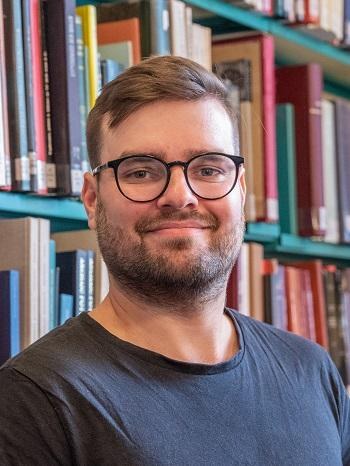 Steven Götz is a Classical Archaeologist and Research Associate at
Humboldt-Universität zu Berlin. His research focuses on Late Republican and
Imperial Roman architecture, as well as the topography and sanctuary contexts
of Iron Age Cyprus. A further focus of his work is the digital
three-dimensional documentation and reconstruction of archaeological
contexts.
Currently pursuing a PhD on the relationship between Roman
maritime villas and the representation of maritime architectural landscapes in
Roman wall painting, he is serving as Co-Director of the Villa at Punta della
Calcarella excavation project, conducted by the University of Copenhagen, since
2026. His fieldwork included excavations at Ostia Antica, Sperlonga and Capo di
Sorrento. He is also currently a researcher in the Kition–Idalion–Tamassos
project and has participated in excavations and research campaigns at the
Sanctuary of Aphrodite on the Eastern Acropolis of Idalion (Cyprus) since
2022.
Since November 2026, he has been a Research Associate in POMONA,
which investigates ancient garden knowledge and archaeological contexts in
Pompeii and explores their potential to inform climate-resilient approaches to
contemporary urban green spaces.
Dirk Mariaschk M.A.
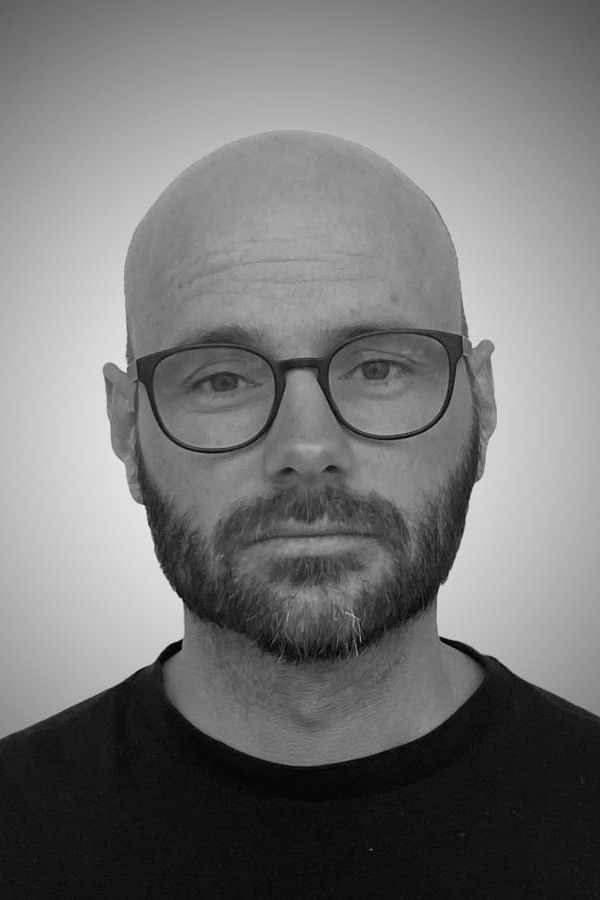 Dirk Mariaschk is an archaeologist specialising in archaeological
visualisation at the Winckelmann Institute of Classical Archaeology,
Humboldt-Universität zu Berlin. He studied Prehistoric Archaeology at Freie
Universität Berlin and has worked at the Winckelmann Institute since 2015,
first on the digital Roman Forum and the Athenian Agora, later as a research
associate, and since 2024 in archaeological visualisation. His work centres on
textured, versioned 3D reconstructions of Roman and Pompeian contexts,
three-dimensional scanning and documentation strategies, GIS, databases and 3D
research environments. He has also taught digital archaeology and GIS in the
context of Roman topography at Humboldt-Universität. As a member of the
»Pompeii reset« project, he contributes to the digital documentation and
reconstruction of houses in Pompeii. Alongside this, he takes part in
excavations and surveys for the German Archaeological Institute, most recently
in Armenia and earlier in Russia and Georgia.
Karlotta Häseli
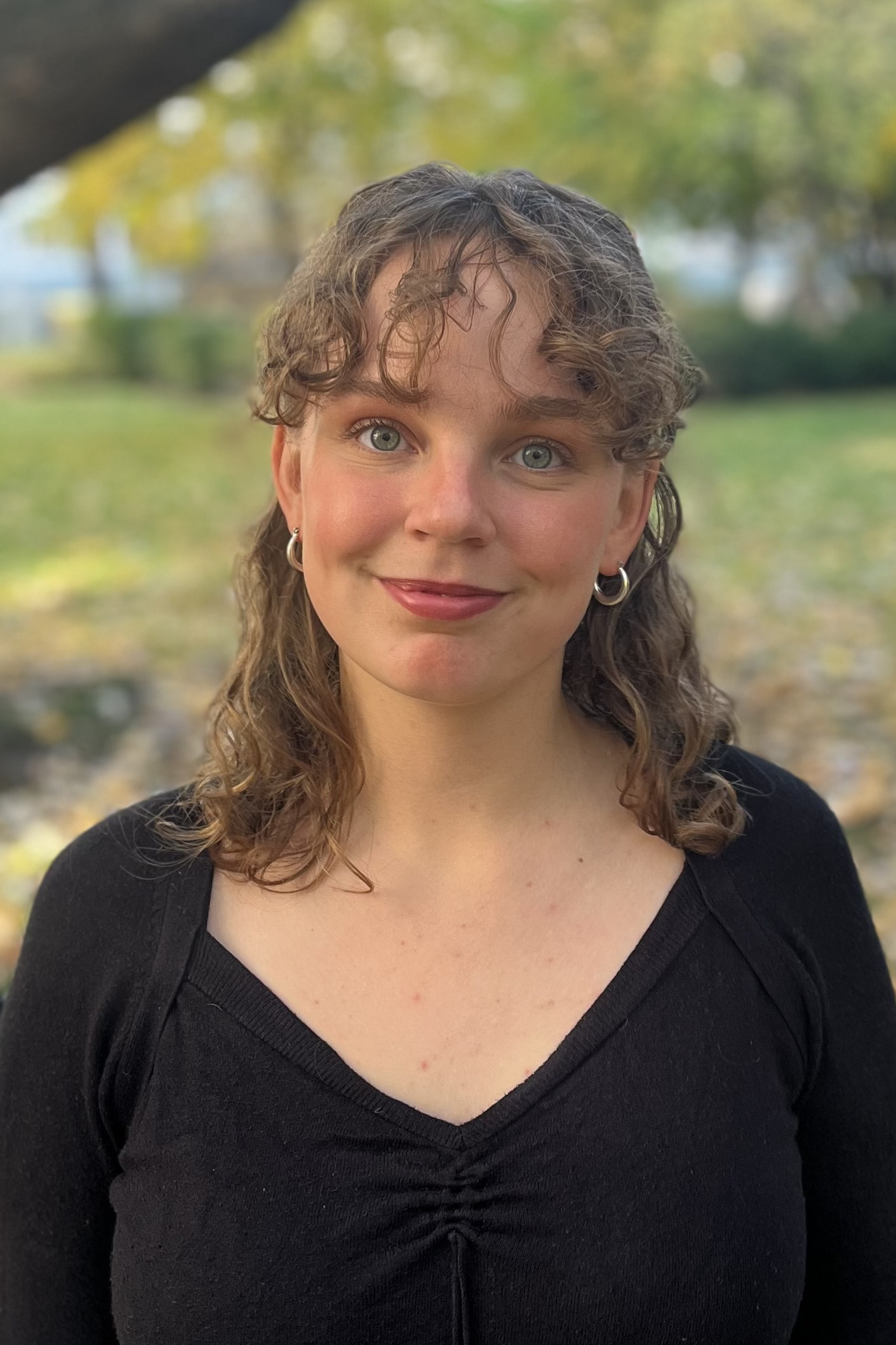 Karlotta Häseli grew up in Berlin and graduated from high school in
2023. She is currently pursuing her bachelor's degree in Classical Archaeology
and transdisciplinary Gender Studies at Humboldt-Universität zu Berlin. In the
summer of 2026, she participated in the excavations in
Schramberg-Waldmössingen, conducted by the Department of Provincial Roman
Archaeology at Albert-Ludwigs-Universität Freiburg. As of November 2026, she
has been a student assistant on the POMONA project.
Sophia Schmidt-Petri
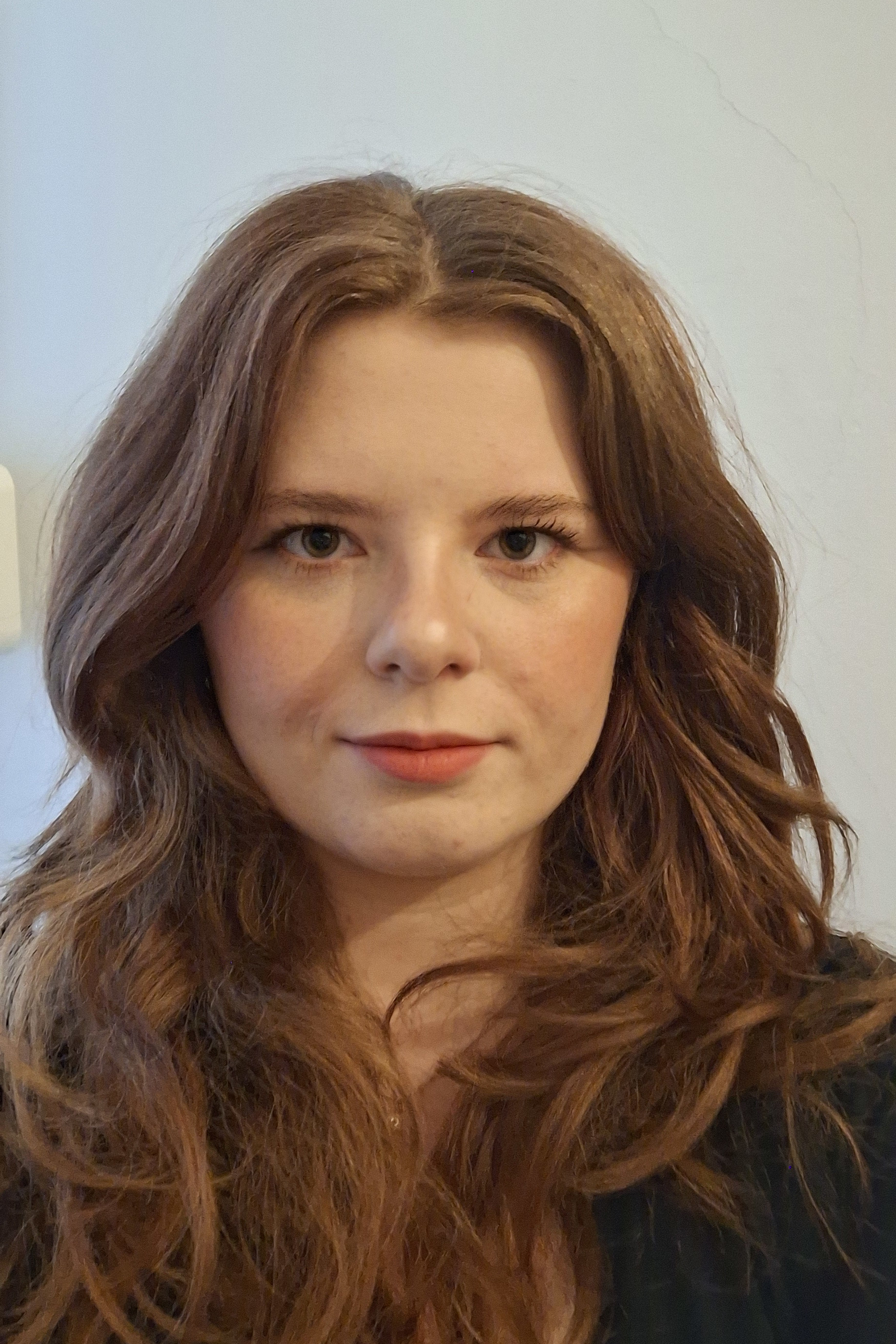 Sophia Schmidt-Petri was born in Berlin and grew up in Berlin and Regensburg. She
completed her Abitur at the German-Italian Albert-Einstein-Gymnasium in Berlin in 2025 and
has been a student at Humboldt-Universität zu Berlin since, studying for a degree in Classical
Archeology and History of Art.
Sub-Project Garden Participation
Prof. Dr. Johann Habakuk Israel
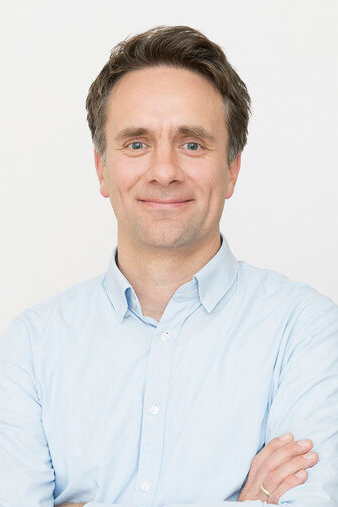 Johann Habakuk Israel is a professor of Applied Computer Science and
Human-Computer Interaction at the Berlin University of Applied Sciences (HTW),
where he heads the Human-Centred Immersive Systems (CENTIS) research group. He
is a member of the steering committee of the »Tangible Interaction« and the
Human-Computer Interaction Division of the German Informatics Society (GI).
His research focuses on immersive sketching, intuitive interaction, tangible
interaction, 3D interaction techniques in virtual environments, information
visualisation, culture informatics and digital participation in urban
development.
Fabian Töpfer M.Sc.
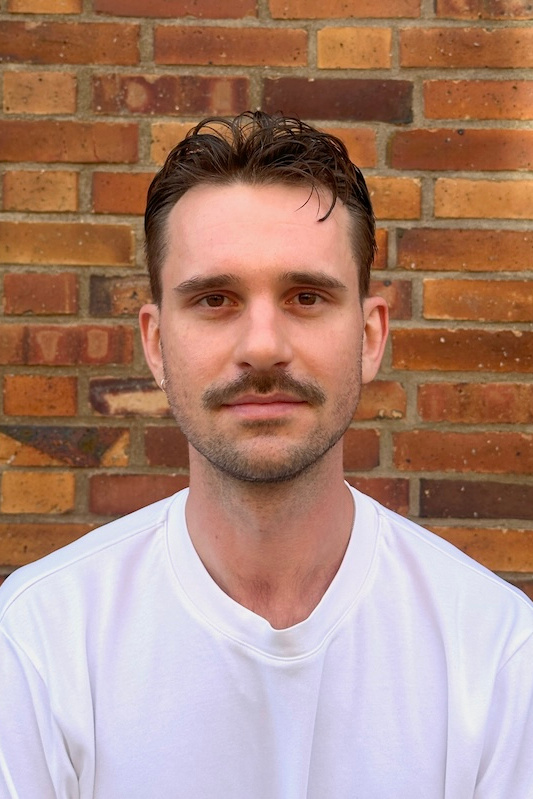 Fabian Töpfer studied Media and Computer Science at Technische Universität
Dresden. From 2023 to 2026 he worked there as a research associate, developing
methods for the immersive recontextualisation of historical artefacts in
digital cultural heritage. His research centres on spatial interfaces in art
and culture, with a particular focus on transmedial and co-located
experiences, exploring expressive, embodied interactions and their narrative
potential.
Sub-Project Garden Transfer
Dr.-Ing. Siegfried Bacher
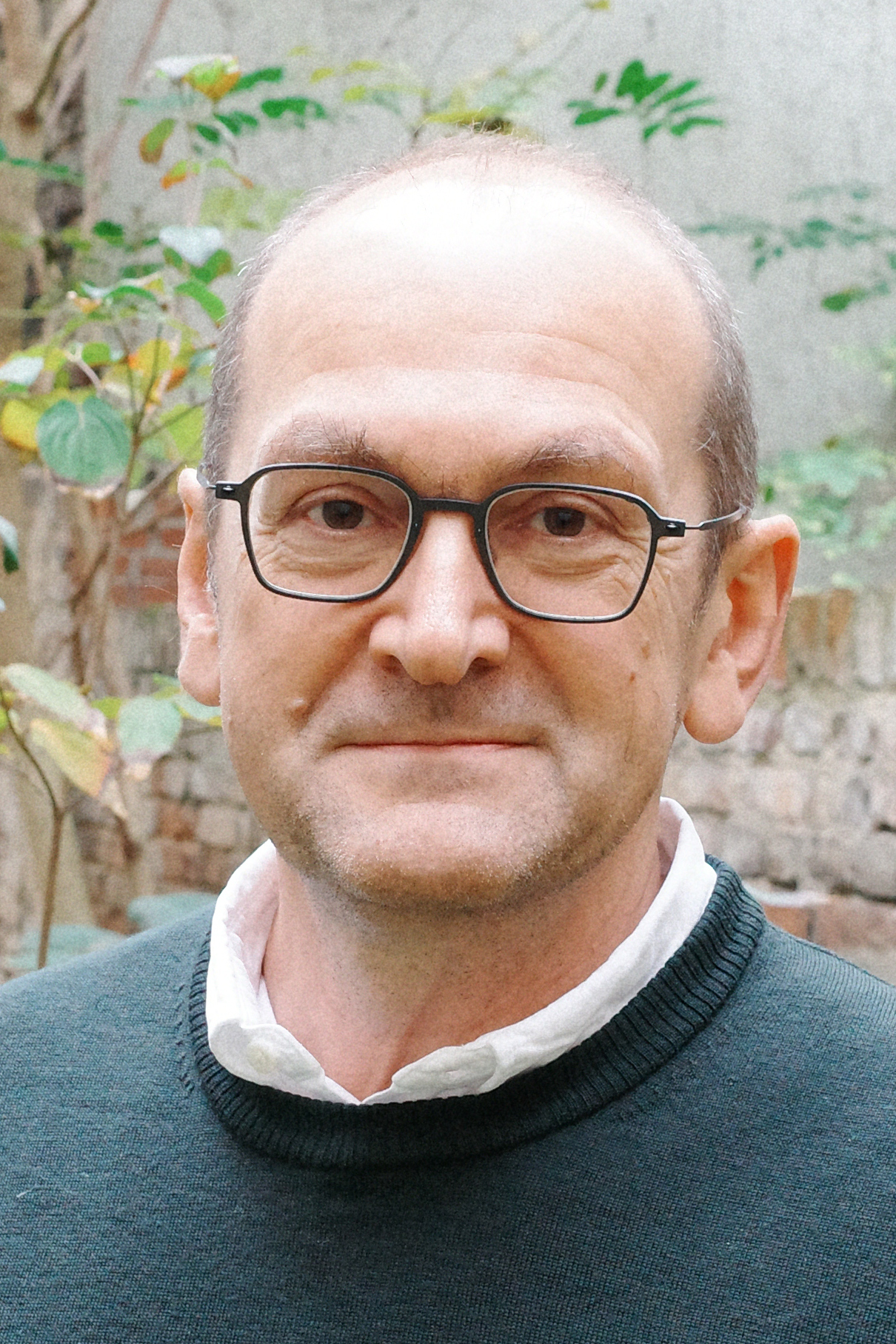 Dr.-Ing. Siegfried Bacher has led BACHER Landschaftsarchitekten in
Berlin since 1999. He studied landscape planning at the Technische Universität
Berlin and wrote his diploma thesis on cultural landscape elements in Garz, a
small town in the Lower Oder Valley. His doctoral research under Prof. Hallmann
then took him to the Oderbruch. There he documented the cultural-historical
features of the region's drainage system and explored how they could be built
into a sustainable approach to water management and ecology. He published his
findings in 1999 as »Kulturhistorische Landschaftselemente in Brandenburg.
Entwässerungssysteme am Beispiel des Oderbruchs« (Cultural-Historical Landscape
Elements in Brandenburg: The Drainage Systems of the Oderbruch). The office
BACHER Landschaftsarchitekten works on heritage conservation projects,
currently including the restoration of parts of the Olympic Park in Berlin, as
well as on the development of new urban neighbourhoods for municipal housing
companies. These projects call for resilient design of green spaces and
gardens, as well as meaningful participation by local residents and future
occupants.
Valentina Torelli, PhD
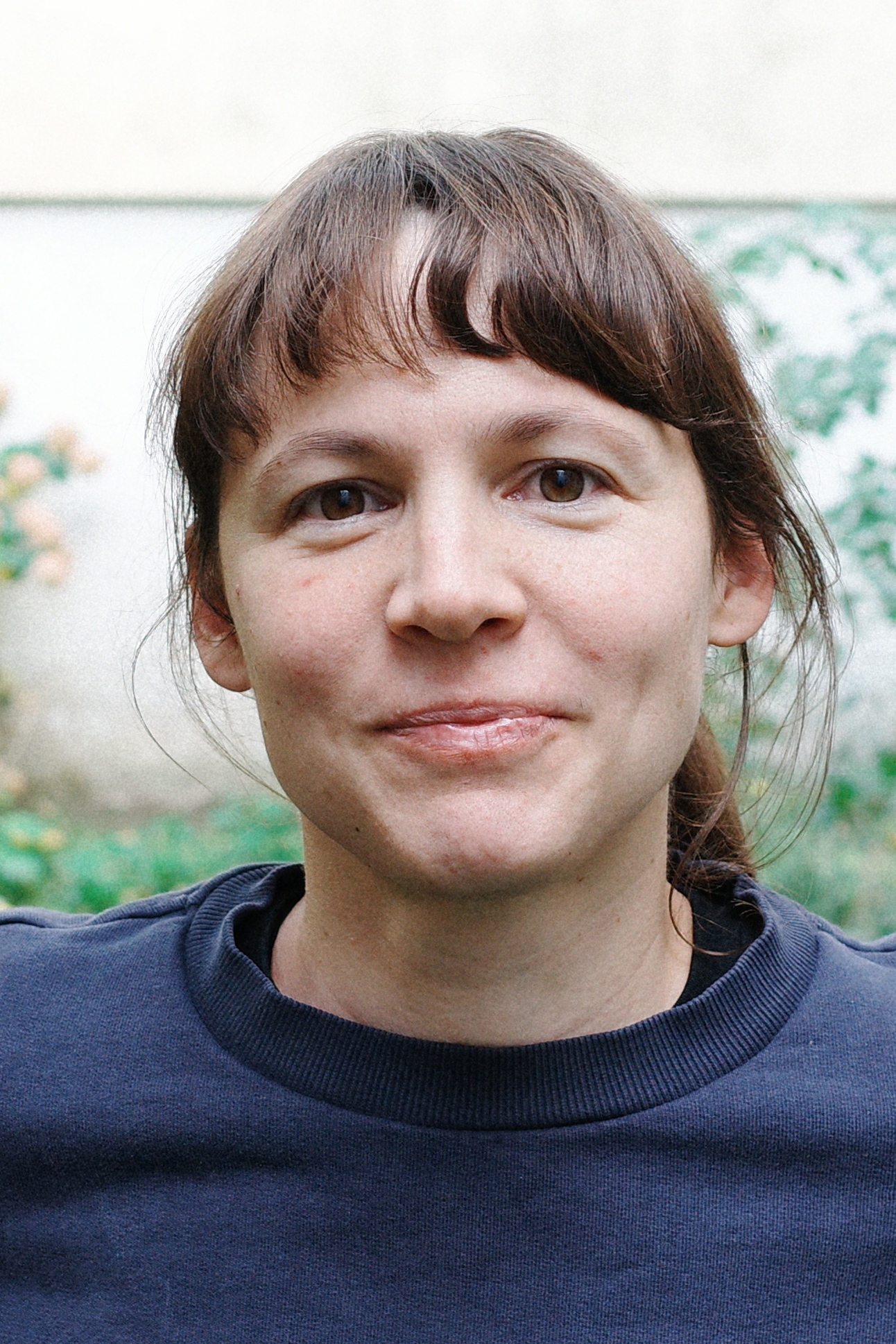 Valentina Torelli studied architecture at the University of
Ferrara, Italy, and has been working at BACHER Landschaftsarchitekten in the
field of heritage conservation since 2020. In 2021, she completed her PhD in
Heritage Studies at the Faculty of Architecture at Brandenburg University of
Technology Cottbus (BTU). Her dissertation is entitled »Scale Dissonances
between World and Local Heritage. The Rural Landscape of the Palladian Villa.«
Her research explores the conservation of the visual aspects of rural
landscapes in the context of the World Heritage Convention, by focusing on the
conflicts surrounding the UNESCO World Heritage Site of the Palladian Villas in
Italy. She has been a registered member of the Architektenkammer Berlin since
2020.
Dr. Luca Pitasi-Oliveri
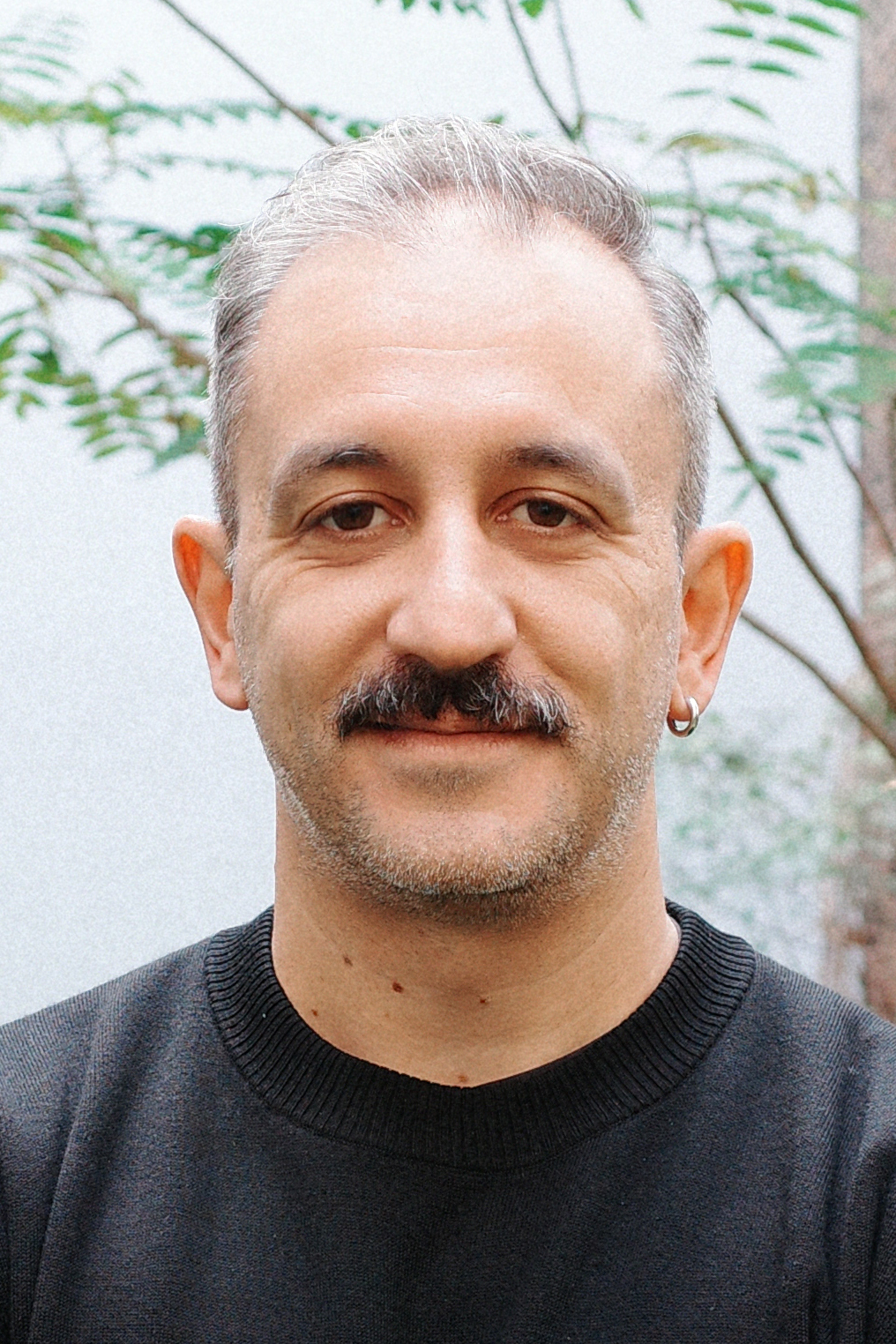 Luca Pitasi-Oliveri studied architecture at the Università
Mediterranea di Reggio Calabria (UNIRC), Italy, and the Escola Tècnica Superior
d’Arquitectura de Barcelona (ETSAB), Spain. He then worked in international
teams on spatial and visual projects at different scales before receiving his
PhD in Architecture and Territory from UNIRC in 2022. His dissertation,
»Retreat by Design«, draws on literature and cinema to explore the enduring
relationship between coastal urbanisation and water, and to redefine the
opportunities of managed retreat under present and future critical scenarios.
In 2023, he moved from the Italian Order of Architects to the Architektenkammer
Berlin and joined BACHER Landschaftsarchitekten, working on competitions and on
projects from preliminary to construction design.